



OTTAWA, Canada, 3 October 2026 - Canada has opened a consultation on proposed criteria for determining when a substance is carcinogenic, mutagenic, or toxic for reproduction (CMR) under the Canadian Environmental Protection Act, 1999 (CEPA), a classification that could affect whether toxic substances are placed on the part of Schedule 1 that prioritizes prohibition. Comments are due 2 December 2026.
The consultation does not propose classifying any specific chemical as CMR and does not identify individual substances, CAS numbers, products, or industries that would be affected. Instead, Environment and Climate Change Canada and Health Canada are developing the regulatory criteria that would be used when applying the CMR provisions introduced through amendments to CEPA in 2023.
Canada looks to GHS for its CMR criteria
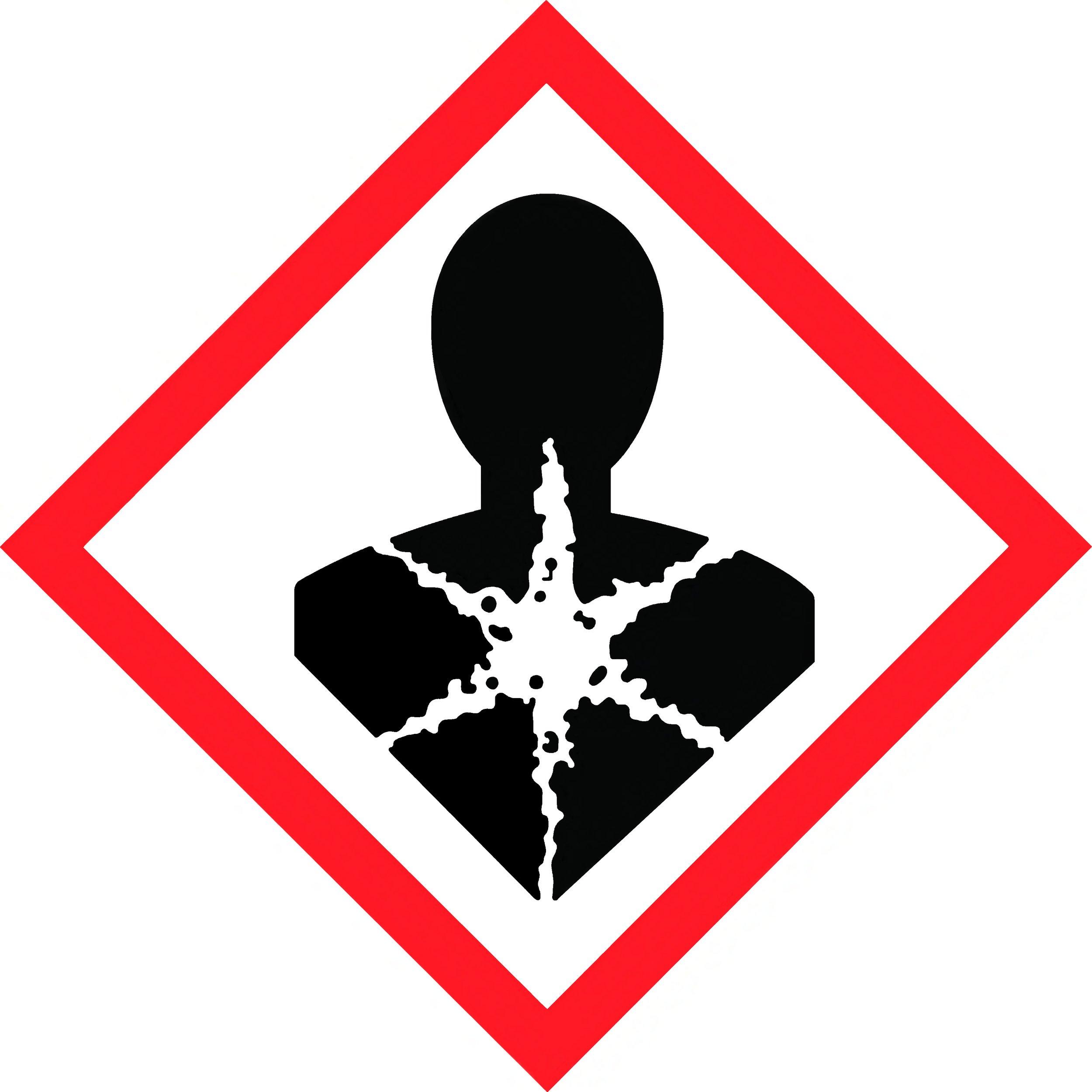
The government proposes aligning the Canadian definitions of carcinogenicity, mutagenicity, and reproductive toxicity with criteria in the United Nations Globally Harmonized System of Classification and Labelling of Chemicals (GHS). The criteria could be incorporated into the regulations by reference to Canada's Hazardous Products Regulations or to the most recent revision of the GHS Purple Book.
Under the proposal, the CMR criteria would cover the more serious GHS Category 1 classifications:
Carcinogenicity: known or presumed human carcinogens, GHS Category 1A or 1B.
Mutagenicity: substances known to induce heritable mutations, or regarded as if they induce heritable mutations in human germ cells, GHS Category 1A or 1B.
Reproductive toxicity: known or presumed human reproductive toxicants, GHS Category 1A or 1B.
The government is seeking views both on these proposed criteria and on whether other criteria or considerations should be included.
Why the criteria matter under CEPA
The proposed definitions matter because CMR status could help determine how a toxic substance is managed under CEPA.
Meeting the CMR criteria could trigger listing in Part 1 of Schedule 1. Substances placed on this list may cause the substance to face total, partial, or conditional prohibition, depending on the risk and risk management measures associated with the use of the chemical.
A new CMR route alongside existing persistence and bioaccumulation criteria
Canada already has regulatory criteria for another route into Part 1: substances that meet CEPA's requirements involving persistence, bioaccumulation, and inherent toxicity.
The existing Persistence and Bioaccumulation Regulations establish numerical criteria for determining whether a substance is persistent or bioaccumulative. For example, a substance can qualify as persistent based on specified environmental half-lives, while the bioaccumulation criteria include a bioaccumulation factor of at least 5,000, with alternative criteria where that factor cannot be determined.
The government is now developing the CMR criteria required for the separate human-health pathway in subsection 77(3) of CEPA. It is not, at this stage, proposing regulations defining the third statutory category — a “substance that poses the highest risk.”
Companies have an opportunity to influence the criteria before regulations are drafted
The immediate issue for chemical manufacturers, importers, and downstream businesses is considering whether the proposed GHS-based criteria provide an appropriate basis for future CMR determinations under CEPA. Companies with relevant toxicological, classification, or scientific information can assess whether the proposed Category 1A and 1B criteria raise technical issues that should be addressed before the government drafts the regulations.
This is also an opportunity for businesses to understand how substances in their portfolios could eventually interact with the new CEPA framework if those substances are both determined to be toxic under section 64 and found to meet the final CMR criteria.
Comments on the proposed criteria must be submitted by 2 December 2026 and cite “CMR under CEPA.” The government plans to consider the responses before drafting proposed regulations, which are expected to be published in the Canada Gazette, Part I, by 2027, followed by another public comment period.